Reading List
Books that have shaped how I think about products, leadership, and the world. Not a comprehensive list, just the ones I keep coming back to.
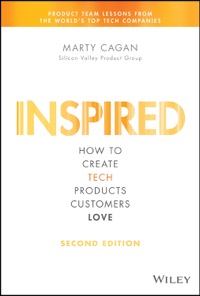
Inspired
How the best product teams work. Cagan draws on decades at eBay, Netscape, and HP to lay out why most product efforts fail. Not because of bad engineering, but because teams build things nobody wants. The core argument is that product discovery (figuring out what to build) matters more than delivery (building it). It reshaped how I think about the PM role: less project manager, more risk reducer.
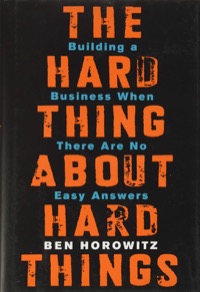
The Hard Thing About Hard Things
Leading when there's no playbook. Most business books tell you what to do when things go well. This one is about what to do when they don't: layoffs, demotions, pivots, and the loneliness of making calls with incomplete information. Horowitz writes from his experience running Opsware through near-death moments. The honesty is what makes it stick: no frameworks, just hard-earned judgment.
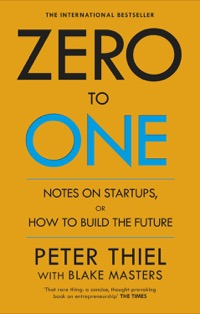
Zero to One
Creating something genuinely new. Thiel's central question, "What important truth do very few people agree with you on?", is a filter I use constantly when evaluating product ideas. The book argues that real innovation is going from zero to one (creating something new), not one to n (copying what works). His thinking on monopolies, definite optimism, and contrarian bets changed how I evaluate whether something is worth building.
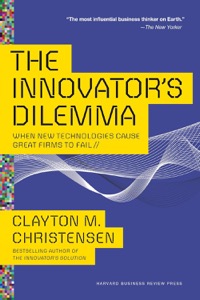
The Innovator's Dilemma
Why good companies get disrupted. Christensen shows that well-managed companies fail not despite doing everything right, but because of it. They listen to their best customers, invest in profitable improvements, and miss the disruptive technology that starts out looking like a toy. The disk drive industry case studies are surgical. This book made me permanently skeptical of "our customers don't want that" as a reason to ignore something.
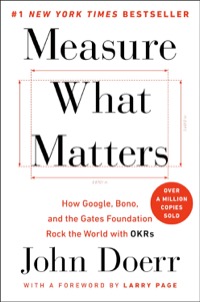
Measure What Matters
Focus, alignment, and saying no. Doerr brought OKRs from Intel to Google and lays out the system here with case studies from Bono to the Gates Foundation. The real insight isn't the OKR format itself, but the discipline of committing to fewer things and making progress visible. I've used this framework across every role, and the hardest part is always the same: deciding what not to measure.
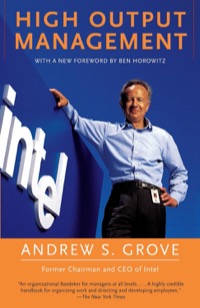
High Output Management
The physics of management. Grove treats management like an engineering problem: inputs, outputs, leverage, and bottlenecks. His concept of managerial leverage (one action that affects many people's output) is the most useful mental model I've found for deciding where to spend time. Written in the 1980s at Intel, it reads like it was written yesterday. Short, dense, and practical in a way most management books aren't.
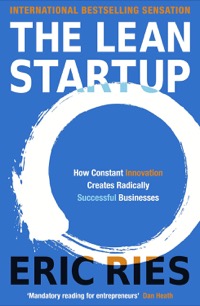
The Lean Startup
Validated learning over gut instinct. Ries makes the case that startups aren't small versions of big companies. They're experiments searching for a business model. The build-measure-learn loop and the concept of the minimum viable product became my default operating model for anything built from scratch. The key lesson: learning what customers actually want is the unit of progress, not shipping features.
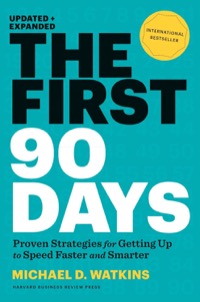
The First 90 Days
Navigating role transitions deliberately. Watkins provides a structured approach to the most vulnerable period in any new role, when you have the least context but the highest expectations. The frameworks for diagnosing the business situation (startup vs. turnaround vs. sustaining success) and securing early wins are genuinely actionable. I revisit this every time I change teams or scope.
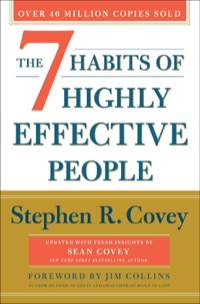
The 7 Habits of Highly Effective People
Effectiveness starts from the inside. Covey's argument is that lasting effectiveness comes from character, not techniques. Principles like proactivity, prioritization, and seeking to understand before being understood. "Begin with the end in mind" still shapes how I scope projects and make tradeoffs. The book is from 1989 and some of it shows its age, but the core framework for moving from dependence to independence to interdependence holds up.
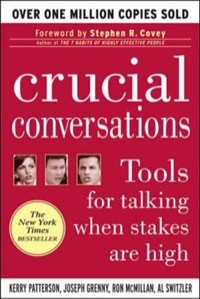
Crucial Conversations
High-stakes dialogue under pressure. Most communication breakdowns happen when the stakes are high, opinions differ, and emotions are strong, which is exactly when getting it right matters most. This book gives a practical toolkit for staying in dialogue when your instinct is to fight or withdraw. The concept of "mutual purpose" (making the other person feel safe enough to hear hard truths) is something I use in almost every difficult conversation.
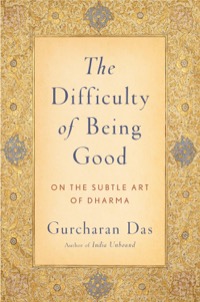
The Difficulty of Being Good
Moral ambiguity in leadership and life. Das uses the Mahabharata, one of humanity's oldest and richest narratives, to explore ethical dilemmas that have no clean answers. Envy, duty, courage, greed: each chapter maps an epic character's struggle to a modern moral question. It's not a business book, but it's deepened how I think about the tradeoffs leaders make when doing the right thing isn't obvious, which is most of the time.
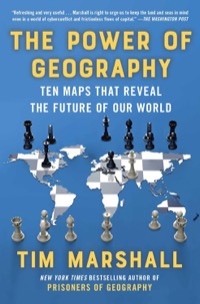
The Power of Geography
Geography shapes geopolitics and strategy. Marshall argues that mountains, rivers, and coastlines constrain nations more than ideology or leadership do. From the Sahel to the Arctic, each chapter reveals how physical geography shapes trade routes, conflicts, and economic potential. It broadened how I think about markets and strategy, a reminder that the constraints shaping decisions aren't always visible from inside a tech company.